Rebuilding the flight model, twice
We shipped a rotor model that experienced players called 'arcade mush' within a week. This is the honest account of what went wrong, who said so, and how we fixed it.
Season 2 launched with a flight model we were quietly proud of: stable, forgiving, easy to learn. Three days after release, a player posted a video titled 'the Apache flies like a shopping cart' and the community agreed with him. They were right. This is what happened next.
What we shipped and why it failed
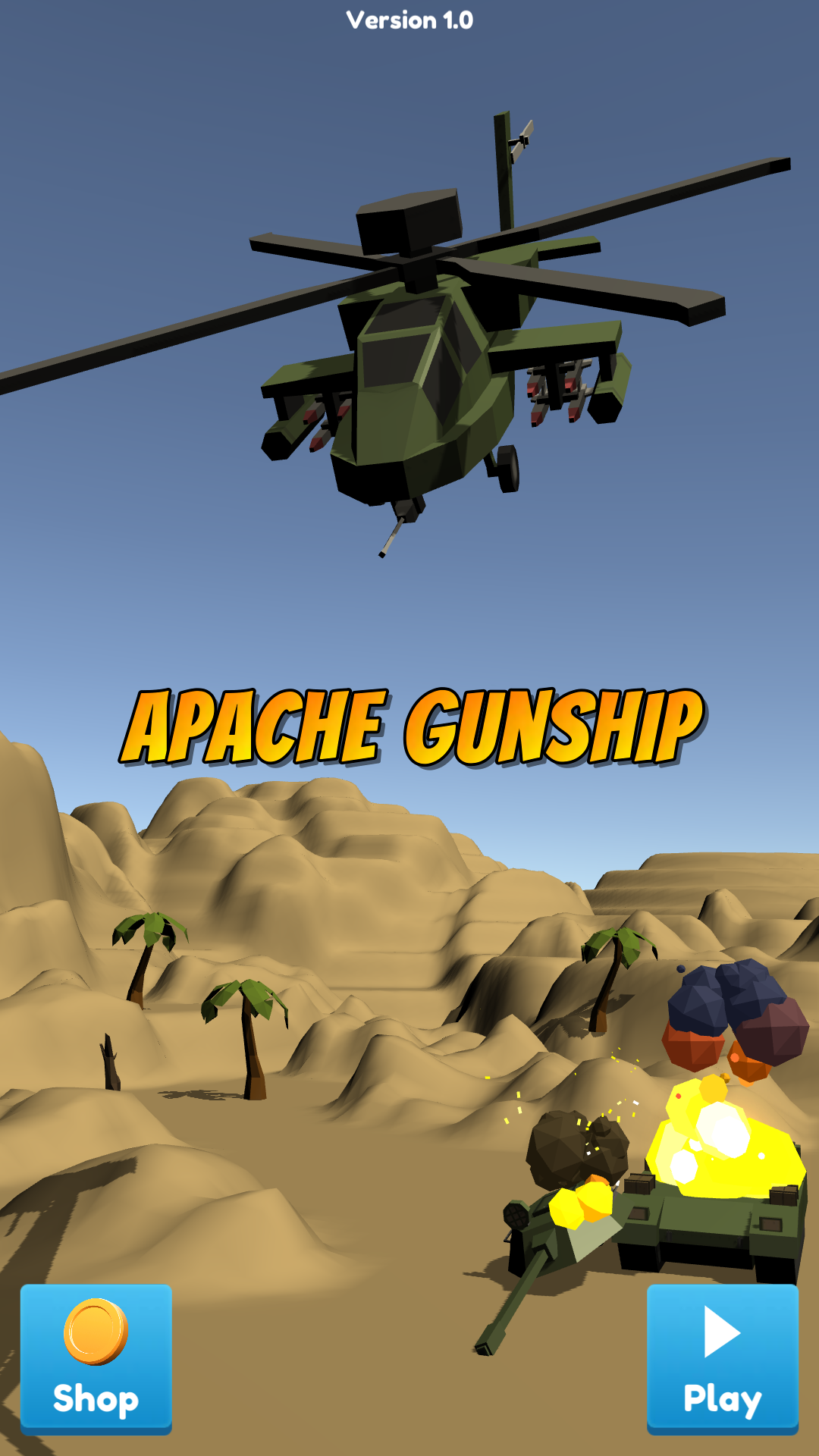
The original model treated the rotor as a force generator with damped response. It was honest math for a simple game. What it didn't model was blade lag, coning, retreating blade stall or the tail rotor's fight against torque. The airframe flew like it was on rails because, functionally, it was.
Experienced pilots noticed immediately. The helicopter didn't argue with them. Real helicopters argue constantly; that's what makes them interesting to fly.
The rebuild nobody asked for politely
We rewrote the rotor as a disc with per-blade physics: 38 rotor states per frame at a 240 Hz physics tick. The tail rotor got torque balance and crosswind loss-of-effectiveness. Translational lift, ground effect and vortex ring state went in as first-class systems instead of scripts.
The first internal build was unflyable. Real physics is brutal, and our test pilots kept dying in hover because the aircraft punished habits the old model had taught. We spent a month adding assists that smooth the rough edges without erasing them.
A helicopter does not want to fly. Our job was to keep that argument alive, not script it away.
Ship it, break it, fix it again
Season 3 shipped the new model to a wall of feedback in the other direction: too hard. New pilots couldn't hold a hover. We added a graduated assist system that scales from arcade to sim, then spent Season 4 tuning the default to sit exactly between them.
The current model is the third version. It's not perfect, but the community stopped writing think pieces about it, which in game development is the closest thing to a standing ovation.
What we learned
Players can feel physics before they can name it. The shopping cart video used the word 'weightless' six times; nobody said 'insufficient blade lag modelling'. The language was emotional, the diagnosis was correct anyway.
We keep a public test build channel now precisely because of this. If you're on Squadron Elite, you can fly next season's physics two weeks early and tell us what feels wrong before it ships.
M. Reyes
Physics lead at Sneaky Shark Studios. Spent four years arguing with rotor math.
The assist slider in settings approximates it at full strength. The old model itself is gone; the new one is strictly better once the assists are set up.
Not a rebuild. Season 5 adds rotor icing and density altitude as parameters on the existing model rather than replacing it.
The game is Android only, so yes, everyone flies the same airframe. Control scheme affects feel more than hardware does.
One email a week, straight from the hangar
Patch notes, tactics and community ops every Friday. Subscribe on the dispatch page or grab the game free on Google Play.